Chhurpi vs Paneer vs Cheese — What Makes Himalayan Chhurpi Unique?
By Banstola Brothers·Chhurpi·
Chhurpi, paneer, and Western cheese all start from the same base — milk. But how they're made, how they taste, and how you eat them are completely different. If you've ever wondered where chhurpi fits in the world of dairy, here's your complete breakdown.
How They're Made (The Key Difference)
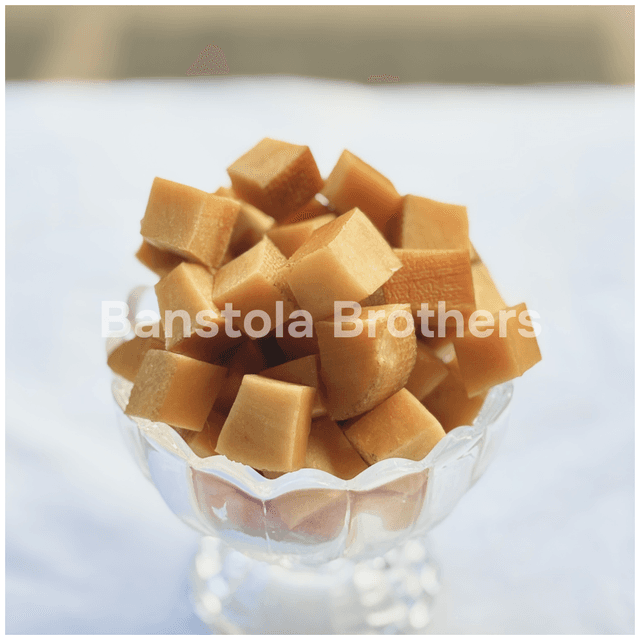
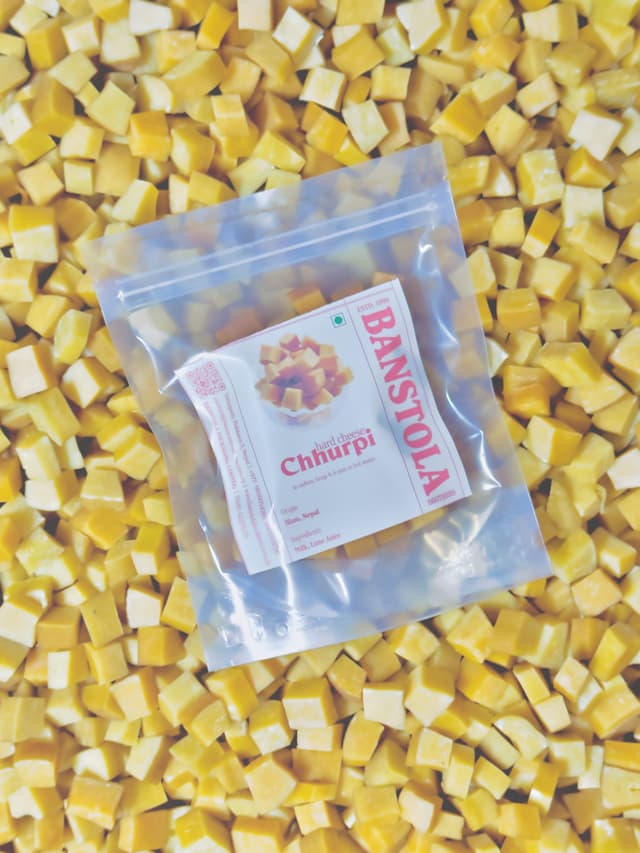
Paneer: fresh milk + acid (lemon/vinegar), pressed, not aged — ready in hours. Regular Cheese: milk + cultures + rennet, aged from weeks to years. Chhurpi: milk is separated, the solid (churpi) is pressed into blocks, then air-dried and smoked over weeks or months until it becomes rock-hard — no aging cultures, no rennet. Pure natural drying.
Taste & Texture Comparison
Paneer: mild, soft, absorbs flavor well — melts in cooking. Regular cheese: huge variety — creamy to sharp, melts well. Chhurpi: intensely savory, slightly sour/tangy, extremely hard (the hardest natural cheese in the world) — does NOT melt. Must be slowly chewed or grated.
Nutrition Comparison
Chhurpi is higher in protein per gram than most soft cheeses because the water content is nearly zero after drying. It's more similar to aged hard cheeses in density. Lower lactose than paneer or soft cheese, making it easier to digest for some people.
How They're Used
Paneer: cooked in curries, grilled. Regular cheese: sandwiches, pizza, melting. Chhurpi: eaten as a long-lasting chew, added grated to dishes, used as a dog chew, brewed in Himalayan teas. Chhurpi is uniquely a "slow food" — you don't rush it.
Which One Should You Try?
If you want something you can cook with → paneer.
If you want to melt on pizza → cheese.
If you want a high-protein, natural, long-lasting snack with deep cultural roots → Chhurpi is in a category of its own.