How Chhurpi Is Made — The Traditional Himalayan Process Behind Every Piece
By Banstola Brothers·Chhurpi·
There are no shortcuts in making authentic Chhurpi. No industrial shortcuts, no artificial accelerants, no factory assembly lines. The process that produces Nepal's legendary hard cheese is the same one that Himalayan herders perfected centuries ago — slow, intentional, and shaped entirely by the environment in which it's made.
It Starts With the Right Milk
Not all milk produces the same Chhurpi. Chhurpi is made from the milk of yaks, chauris, cows, and buffaloes. Each produces a slightly different texture and flavour profile. A mix of cattle or yak milk and buffalo milk is said to produce the best kind of Chhurpi — with a smooth and uniform surface that is ideal for quality exports. The animals graze on high-altitude wild herbs and grasses, which gives the milk a richness and complexity you simply cannot replicate at lower elevations.
Step 1: Removing the Cream
The process begins by separating cream from the milk. This step is critical — it's what keeps Chhurpi low in fat and high in protein. The removed cream is used separately, often churned into butter. What remains is high-protein skimmed milk ready for curdling.
Step 2: Curdling
The skimmed milk is thoroughly boiled and mixed with whey from previously curdled milk and other acidic agents like lime or citric acid. Cheese curds form almost instantly, coagulating and separating from the clear whey liquid. This whey isn't wasted — it's saved and used as the starter culture for the next batch, creating a continuous, self-sustaining fermentation chain that can trace lineage back generations in a single family's production.
Step 3: Pressing
The solid mass is strained and collected in cotton or jute bags, and the blocks are beaten and pressed tight under big stones or other heavy weights for 24 hours to remove excess water. This pressing phase is what determines the final density of the cheese. More pressure, longer pressing, drier result. The best hard Chhurpi is pressed to the point where almost no internal moisture remains.
Step 4: Fermentation
These solid blocks are left to ferment for a few days at room temperature. This is where the flavour develops — natural bacterial cultures transform the pressed curds, developing the tanginess and depth that distinguishes Chhurpi from any other cheese. Fresh curds are white, soft and neutral to taste, but they are left to ferment to acquire a bit of tanginess.
Step 5: Cutting and Drying
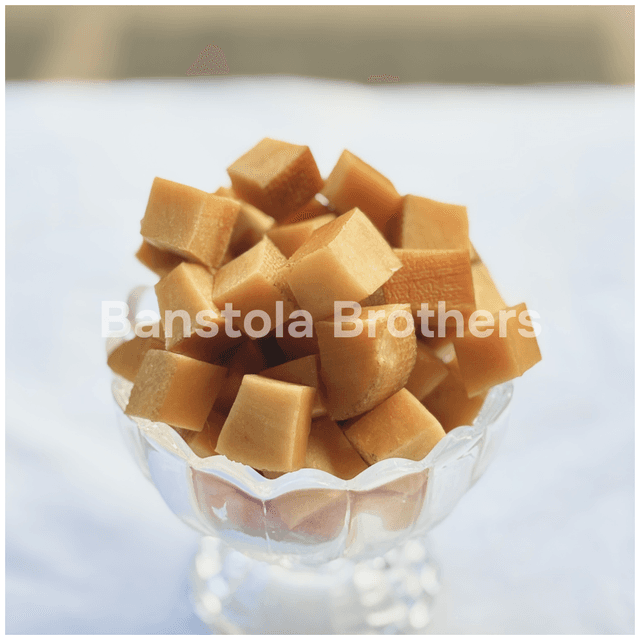
Once fermentation is complete, the blocks are cut into rectangular pieces or sticks and laid out to dry. Traditional drying happens in the shade — not direct sunlight, which can cause uneven drying. This phase takes weeks. The goal is to bring moisture content as low as possible.
Step 6: Smoking
The blocks are smoked over kitchen fires, giving Chhurpi its distinct taste and texture. This is the step that most defines hard Chhurpi's flavour. The smoke penetrates the already-dense cheese slowly, depositing complex aromatic compounds that create the earthy, woody notes it's known for. Different woods produce different flavour notes — another reason authentic Chhurpi from different highland regions can taste distinctly different.
The Result: A Cheese Built to Last
Properly cured Chhurpi will stay edible without becoming mouldy for up to 20 years. However, it tastes best when eaten within the first five to six months.
At Banstola Brothers, we work with producers who follow this process exactly — no modern shortcuts, no industrial substitutions. When you receive a piece of our Chhurpi, you're holding weeks of patient, traditional craft from Nepal's highlands.