White Chhurpi vs. Smoked Chhurpi
By Banstola Brothers·Chhurpi·
Both are made from the same milk, by the same hands, using the same ancient process. But somewhere in the final stage of production, they diverge — and that divergence produces two cheeses that look, taste, and feel so different that first-timers often don't believe they share the same origin.
Simple answer — the brown ones went through a smoking process. The white ones didn't. That one difference changes everything about how they taste.
They Start the Same Way
Both White and Smoked Chhurpi come from the same milk — yak or chauri — and go through the same process: the milk is curdled, pressed under heavy stones, fermented for a few days, then dried.
Up to that point, they're identical.
What happens after drying is what makes them two completely different cheeses.
White Chhurpi — The Pure One
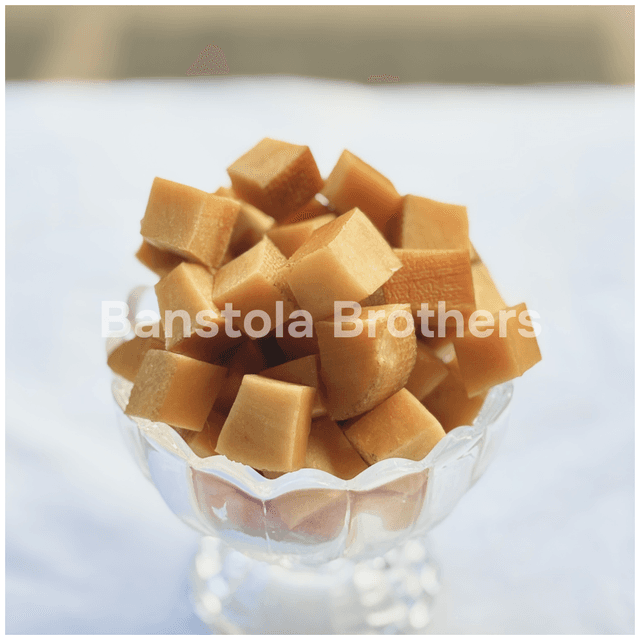
White Chhurpi stops right after drying. No fire, no smoke — just clean mountain air and time.
The white ones are sweet in taste. That natural sweetness is simply the milk's own character coming through with nothing masking it. The flavour is mild, gently tangy from fermentation, and clean on the finish.
What it tastes like: Mildly sweet, lightly tangy, clean and simple.
Best for: First-timers. People who prefer lighter, subtler flavours. Anyone who wants to understand what Chhurpi actually is before anything else is added.
Smoked Chhurpi — The Bold One
Smoked Chhurpi takes one extra step. After drying, the cheese is hung over ceilings in kitchens just above the stove, which adds the smoky flavour. Days or weeks over a wood fire — and the cheese transforms completely. The colour deepens to brown. The flavour goes bold.
The aged brown version is saltier and has a more intense flavour. You'll notice the smokiness first, then a deep nuttiness, then the salt builds slowly as you keep chewing. It's layered and complex in a way that surprises most beginners.
What it tastes like: Smoky, earthy, nutty, bold — flavour that builds the longer you chew.
Best for: Anyone who loves strong, complex flavours. Great in cooking too — it works well in soups, daal, and rice dishes.